

In the quest for sustainable alternatives, Indonesia continues to lead the way with its groundbreaking cassava plastic factory. This innovative facility is revolutionizing the plastic industry by harnessing the power of cassava, a starchy root vegetable, to create a biodegradable and eco-friendly alternative to traditional plastics. With the plastic crisis escalating globally, this pioneering enterprise offers a glimmer of hope for a greener future.
Using cutting-edge technology, the facility efficiently converts cassava into a bioplastic material that can be utilized for a wide range of applications, from packaging to disposable cutlery. The result is a material that is not only renewable and compostable but also exhibits impressive performance and durability.
Indonesia’s cassava plastic factory encapsulates the nation’s commitment to sustainability, aligning with its ambitious target to reduce plastic waste and mitigate environmental damage. This remarkable initiative showcases the country’s potential to become a global leader in the development and implementation of sustainable solutions.
With the world eagerly seeking alternatives to single-use plastics, this cassava-based bioplastic factory offers a glimpse into the future of sustainable materials. By embracing innovation and prioritizing environmental responsibility, Indonesia is paving the way for a much-needed revolution in the plastics industry.
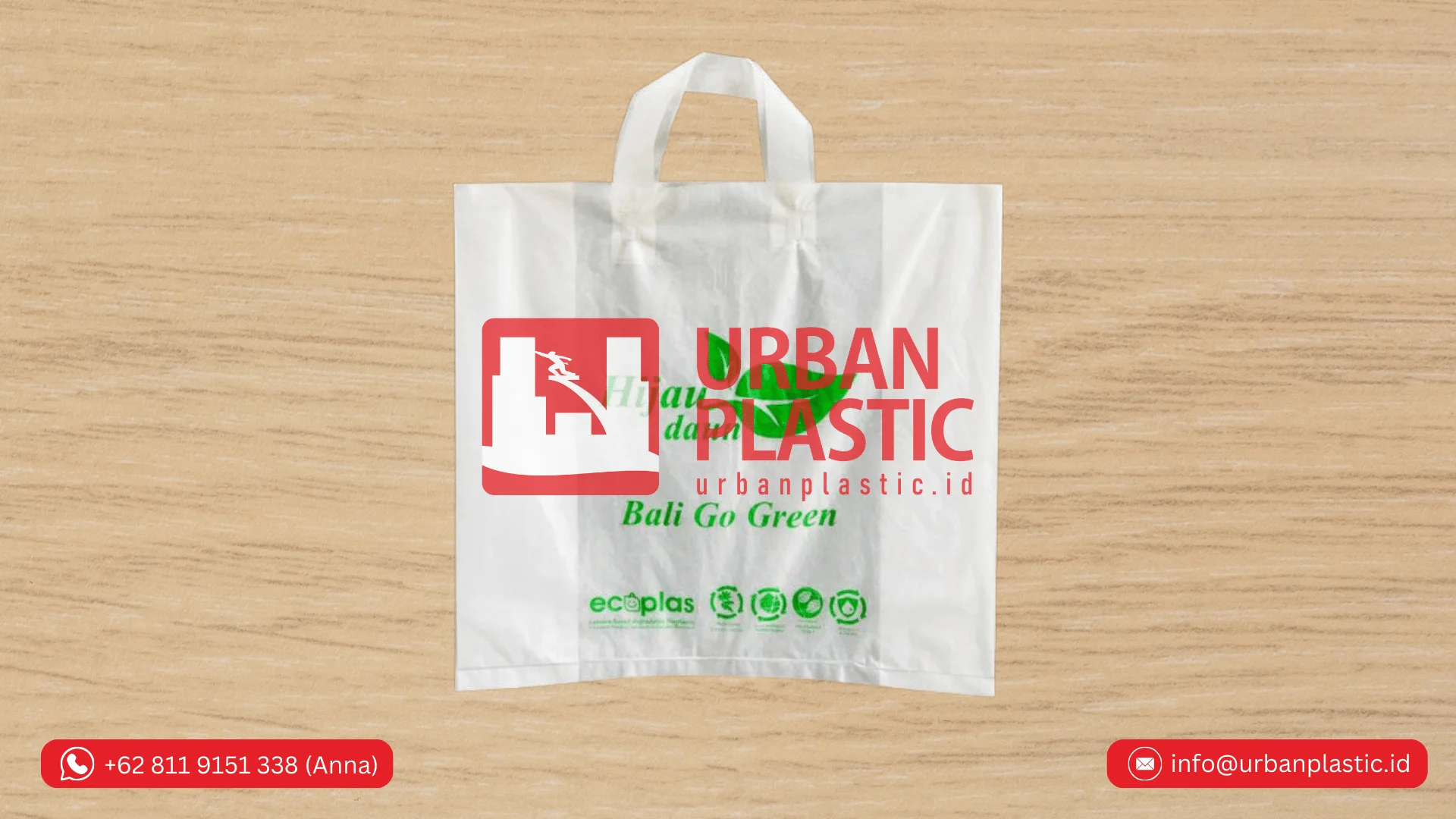
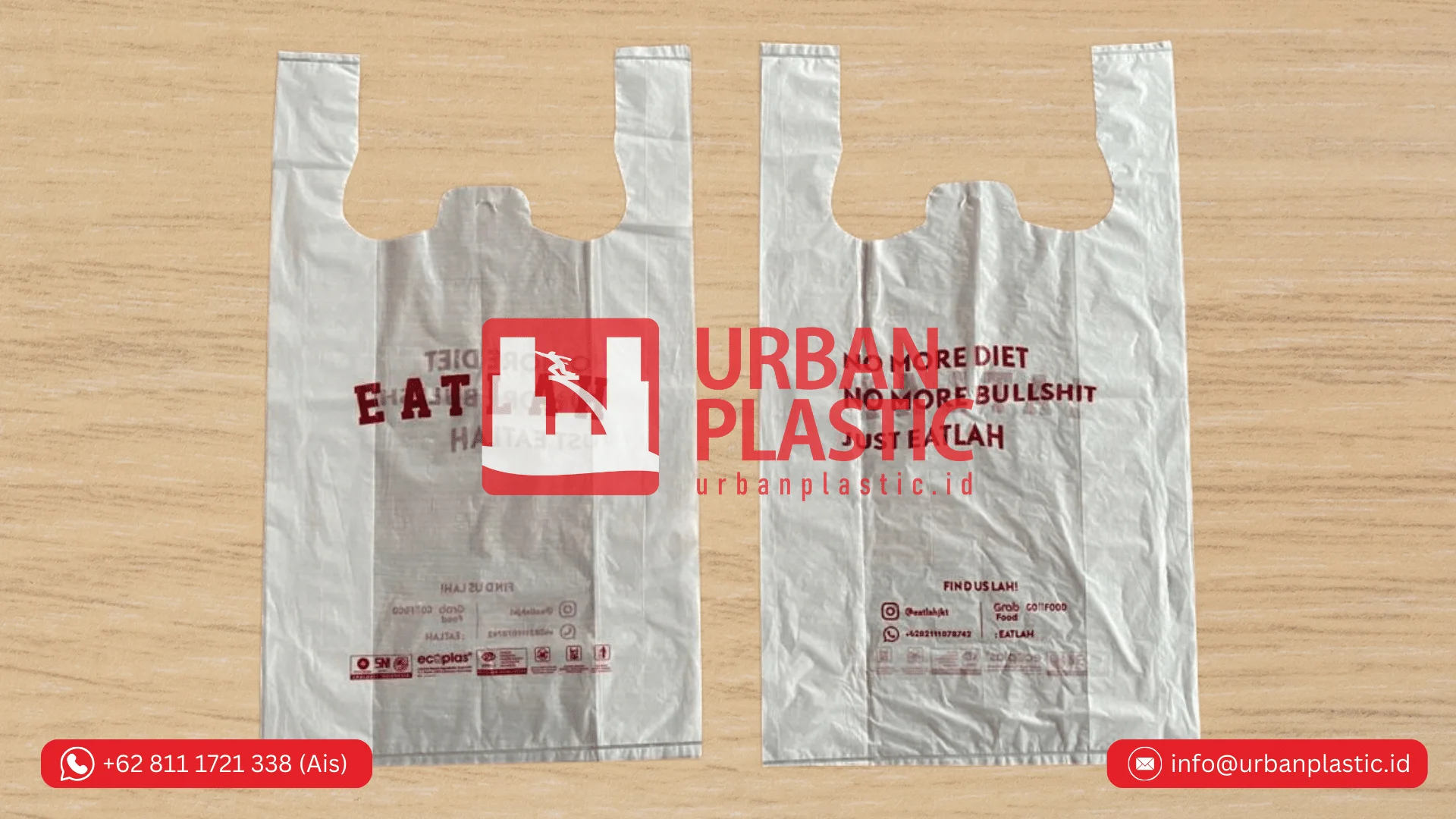
The problem with traditional plastics
Traditional plastics have become a major environmental concern due to their non-biodegradable nature and detrimental impact on ecosystems. These plastics are derived from fossil fuels, contributing to greenhouse gas emissions and depleting finite resources. Additionally, their long decomposition period makes them a persistent pollutant, clogging landfills and endangering marine life.
The rise of sustainable alternatives
In recent years, the demand for sustainable alternatives to traditional plastics has surged as people become more environmentally conscious. Governments, organizations, and individuals are actively seeking ways to reduce plastic waste and adopt greener practices. This shift has fueled the development and adoption of various sustainable materials, such as bioplastics made from renewable resources.
Cassava plastic: An innovative solution
Cassava plastic, also known as bioplastic, emerges as a promising solution to our plastic woes. Derived from cassava, a widely grown root vegetable in Indonesia, this bioplastic offers a renewable and compostable alternative to conventional plastics. The production process involves transforming cassava starch into a polymer that can be molded into various shapes and forms.
How cassava plastic is made
The production of cassava plastic involves several steps. First, cassava roots are harvested and processed into starch. The starch is then mixed with water and other additives to create a dough-like substance. This mixture is heated and extruded into thin sheets or molded into specific shapes using advanced machinery. The resulting material can be utilized for a range of applications, including packaging, bags, and disposable cutlery.
Benefits of cassava plastic
Cassava plastic offers numerous benefits over traditional plastics. Firstly, it is derived from a renewable resource, reducing reliance on fossil fuels. Secondly, it is fully biodegradable and compostable, breaking down into natural elements without leaving harmful residues. Thirdly, it exhibits impressive performance and durability, making it suitable for various applications. Lastly, its production emits significantly fewer greenhouse gases compared to traditional plastics.
Challenges and limitations of cassava plastic
While cassava plastic presents an exciting solution, it also faces certain challenges and limitations. One of the main challenges is scalability and cost-effectiveness. As demand for sustainable materials increases, ensuring a steady supply of cassava and optimizing production processes becomes crucial. The cost of cassava plastic production is currently higher than traditional plastics, but as technology advances and economies of scale are achieved, this cost discrepancy is expected to decrease.
The impact of cassava plastic on the environment
Cassava plastic has a significantly lower environmental impact compared to traditional plastics. Its biodegradability ensures that it does not contribute to the growing problem of plastic waste in landfills and oceans. Moreover, the cultivation of cassava plants can have positive environmental effects, such as soil restoration and carbon sequestration. By embracing cassava plastic, Indonesia is taking a proactive stance in reducing plastic pollution and promoting sustainable practices.
Success stories and partnerships
Indonesia’s cassava plastic factory has garnered international attention and fostered collaborations with businesses and organizations committed to sustainability. Several success stories have emerged, showcasing the versatility and potential of cassava plastic. For instance, companies have successfully implemented cassava-based packaging solutions, reducing their environmental footprint while maintaining product quality and safety.
Conclusion: The future of cassava plastic and sustainable manufacturing
Indonesia’s cassava plastic factory represents a significant step towards a future where sustainable materials dominate the plastics industry. As technology and production processes continue to improve, cassava plastic is poised to become a viable and cost-effective alternative to traditional plastics. With ongoing research and innovation, the limitations of cassava plastic can be overcome, leading to a more sustainable and circular economy. By supporting initiatives like the cassava plastic factory, we can collectively drive the revolution towards a greener and more sustainable future.
The Rise of Sustainable Alternatives
As the detrimental impact of plastics on the environment becomes increasingly apparent, the demand for sustainable alternatives is on the rise. Traditional plastics, derived from fossil fuels, are notorious for their long-lasting presence in landfills and oceans, contributing to pollution and endangering wildlife.
In response to this crisis, countries worldwide are exploring innovative solutions to tackle the plastic problem. From biodegradable materials to recycling initiatives, the focus has shifted towards finding sustainable alternatives that minimize environmental harm without compromising performance.
Cassava Plastic: An Innovative Solution
Indonesia’s cassava plastic factory is at the forefront of this global movement towards sustainability. By harnessing the natural properties of cassava, this facility has developed a groundbreaking solution that offers a viable alternative to traditional plastics.
Cassava, a staple crop in Indonesia, is a starchy root vegetable that can be easily cultivated and harvested. Its abundance and affordability make it an ideal candidate for sustainable material production. The cassava plastic factory utilizes advanced technology to extract starch from the root vegetable, which is then processed to create a bioplastic material.
How Cassava Plastic is Made
The production process of cassava plastic involves several stages, each contributing to the creation of a high-quality and eco-friendly material. The first step is the extraction of starch from the cassava roots. These roots are thoroughly washed, peeled, and then crushed to obtain a starchy pulp.
Once the starch is extracted, it undergoes a purification process to remove impurities and enhance its quality. The purified starch is then mixed with plasticizers and other additives to improve its flexibility and durability. This mixture is then processed and shaped into various forms, such as pellets or sheets, depending on the intended application.
The final product is a versatile bioplastic material that can be molded and transformed into different products, ranging from packaging materials to disposable cutlery. The cassava plastic factory ensures that the entire production process is optimized for efficiency and minimal waste, further enhancing its sustainability credentials.
Benefits of Cassava Plastic
Cassava plastic offers numerous benefits that make it an attractive alternative to traditional plastics. Firstly, its production is entirely renewable, as cassava is a rapidly regenerating crop. Unlike fossil fuel-based plastics, which deplete finite resources, cassava plastic leverages the abundance of cassava to create a sustainable material.
Secondly, cassava plastic is biodegradable and compostable. When disposed of properly, it breaks down naturally over time, leaving behind no harmful residues. This characteristic significantly reduces the environmental impact of plastic waste and helps combat the growing problem of plastic pollution.
Furthermore, cassava plastic exhibits impressive performance and durability. It possesses excellent barrier properties, making it suitable for packaging applications that require protection from moisture and oxygen. The material’s flexibility and strength ensure that it can withstand daily use, making it a viable option for various consumer products.
Challenges and Limitations of Cassava Plastic
While cassava plastic presents a promising solution to the plastic crisis, it is not without its challenges and limitations. One of the primary concerns is the competition for cassava as a food source. As cassava is a staple crop in many countries, including Indonesia, diverting a significant portion of it towards bioplastic production may impact food security and livelihoods.
Additionally, the scalability of cassava plastic production is a potential obstacle. Scaling up production to meet the global demand for sustainable plastics requires substantial investments in infrastructure, technology, and research. Overcoming these challenges will be crucial in ensuring the widespread adoption of cassava plastic as a viable alternative.
The Impact of Cassava Plastic on the Environment
The environmental impact of cassava plastic is significantly more positive compared to traditional plastics. The biodegradable nature of the material ensures that it does not persist in the environment, reducing the burden of plastic waste on landfills and ecosystems.
Furthermore, the production of cassava plastic generates fewer greenhouse gas emissions compared to fossil fuel-based plastics. As cassava is a renewable resource, its cultivation and processing contribute to carbon sequestration, mitigating climate change and promoting sustainable agricultural practices.
Success Stories and Partnerships
The success of Indonesia’s cassava plastic factory has inspired collaborations and partnerships with various stakeholders, including government agencies, non-profit organizations, and private companies. These collaborations aim to further develop and promote the use of cassava plastic, both domestically and internationally.
Through these partnerships, the cassava plastic industry has gained access to funding, research expertise, and market opportunities. This collective effort is crucial in driving the adoption of cassava plastic as a sustainable alternative to traditional plastics and accelerating the transition towards a circular economy.
Conclusion: The Future of Cassava Plastic and Sustainable Manufacturing
The cassava plastic factory in Indonesia serves as a shining example of how innovation and sustainability can intersect to create positive change. This groundbreaking initiative showcases the potential of cassava as a renewable resource and offers hope for a greener future.
As the world grapples with the plastic crisis, the demand for sustainable alternatives continues to grow. Cassava plastic presents a viable solution, providing a renewable, biodegradable, and high-performance material that can revolutionize the plastics industry.
With ongoing research and development, increased investments, and robust collaborations, the future of cassava plastic and sustainable manufacturing looks promising. By embracing these innovative solutions, countries like Indonesia can pave the way for a global shift towards a more sustainable and environmentally conscious future.
For more information about cassava bag please contact: Whatsapp/Mobile Phone: +62 811 1721 338 (Ms. Ais) or Email : info@urbanplastic.id.